Digital Safety Snapshot

Cybersecurity and online-safety burden overview.

A chart-first readout showing why practical scam awareness, identity protection, and safer online habits are community care.

Cybersecurity + online safety

Digital harm prevention overview

United States $12.5B reported consumer fraud losses in 2024
United Kingdom 50% businesses reporting a cyber breach or attack in 2024
US reported fraud-loss increase25%
UK businesses breached/attacked50%
UK charities breached/attacked32%
Education focus100%
Source: FTC Consumer Sentinel 2024; GOV.UK Cyber Security Breaches Survey 2024
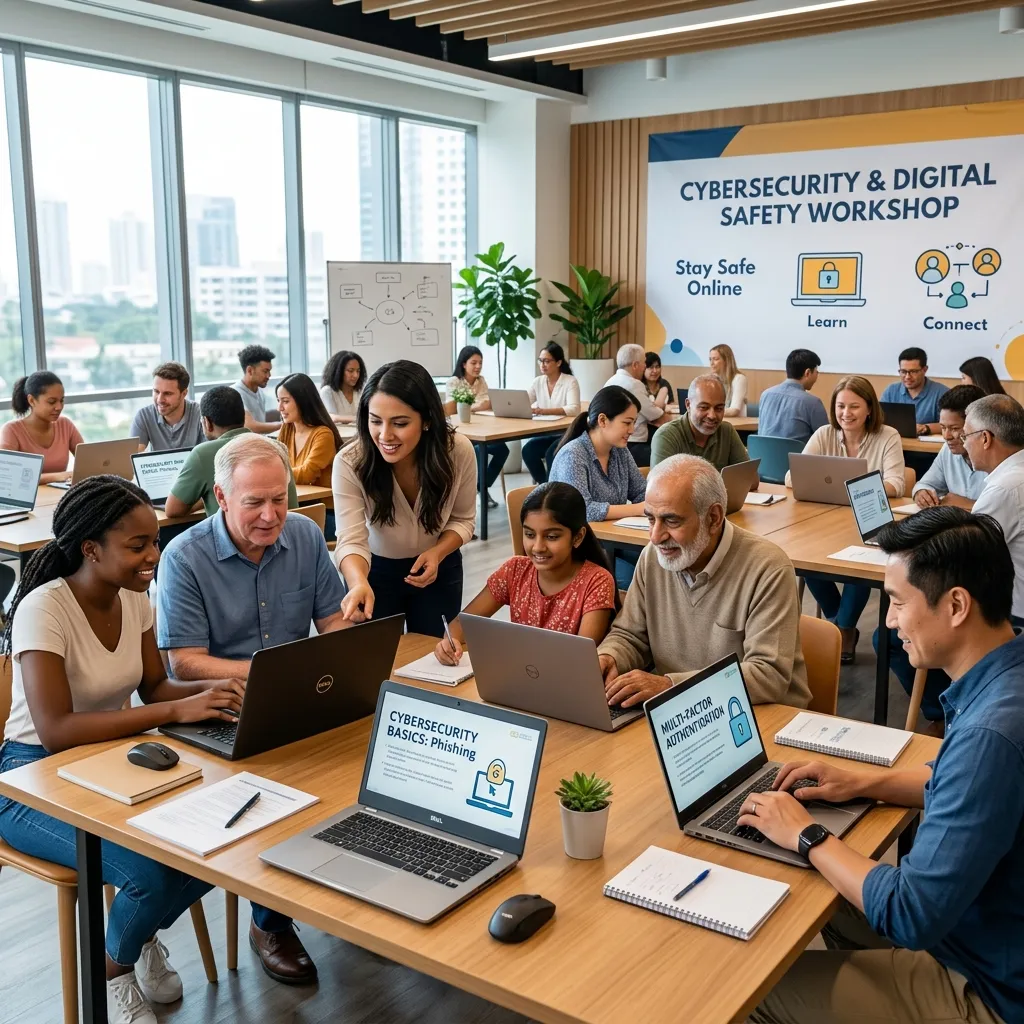
Cybersecurity education and safer online identity awareness
Digital dignity Safer online habits for every family
Program Overview

Helping people use technology responsibly, securely, and with greater confidence.

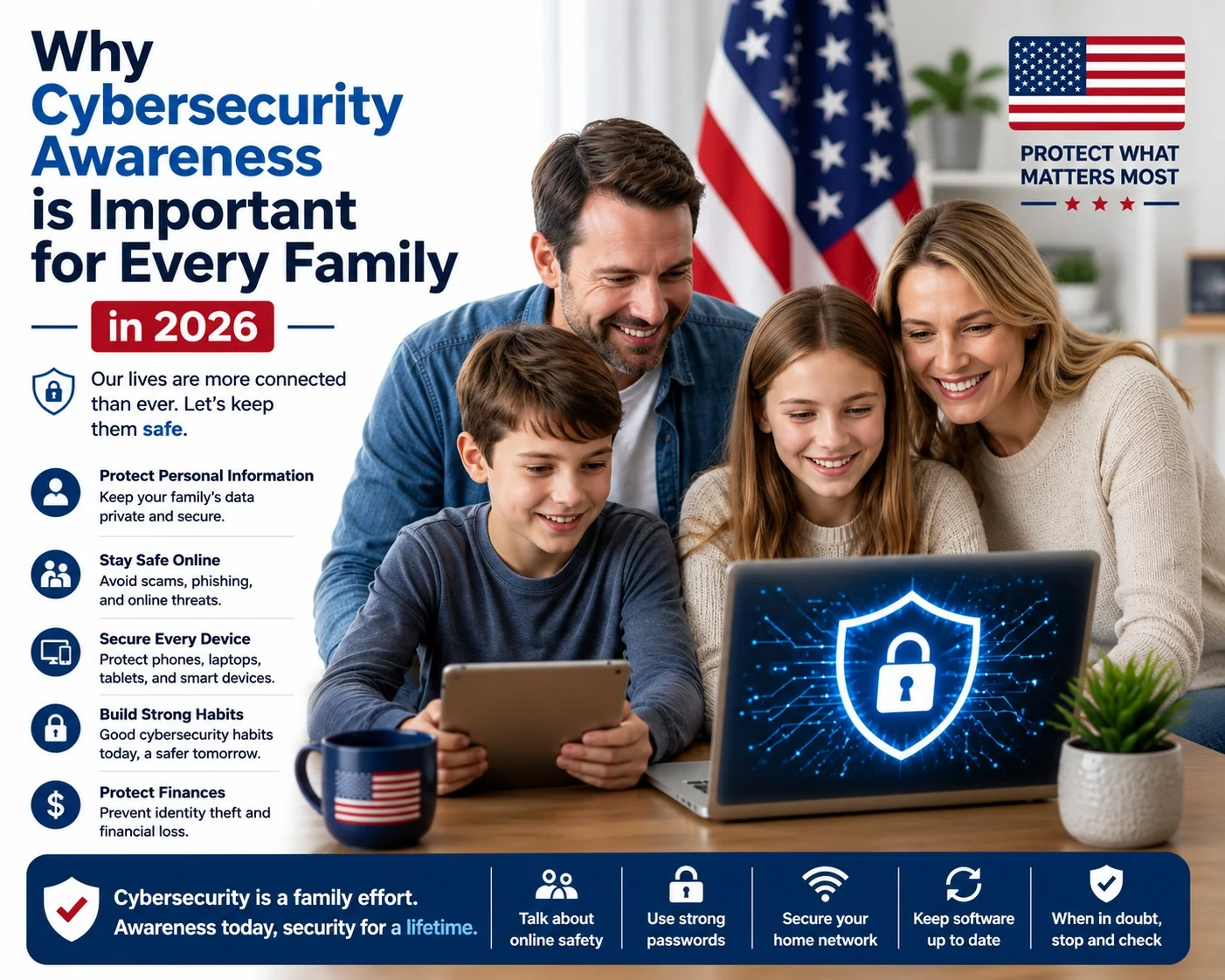
We provide individuals, students, and families with the knowledge and awareness needed to stay safe and secured from the going online fraud, scams, cybercrime, and digital threats as in today's digital era it's very easy for the scammers to scam common people if they don't have the knowledge about the same. Our cybersecurity education programs are focused on practical learning, safe online behavior, simple digital-protection habits, and confidence-building guidance that people can apply or can keep in their mind to have a secure everyday life.

Through awareness campaigns and community support, we aim to create safer digital environments and help people use technology responsibly, securely, and with greater confidence in today’s connected world.

Identity Protection Safer Devices Scam Awareness
Cybersecurity Learning Program

Apply for Cybersecurity Learning Program

Tell us your story and the type of digital-safety support you need. Our team will review your request and connect with you for the next steps.

  • Scam and fraud awareness support
  • Safer phone, email, and account habits
  • Learning support for families, students, and seniors
What We Provide

Four ways this program helps people stay safer online.

Each service translates cybersecurity into simple habits people can remember, practice, and share with family members.

Scam & Fraud Awareness

We teach people how to recognize phishing messages, fake calls, suspicious links, payment scams, and urgent-pressure tactics.

Identity Protection Basics

We explain simple ways to protect personal information, passwords, accounts, documents, and digital identity from misuse.

Safe Device Habits

We guide families on updates, screen locks, safe browsing, two-step verification, and everyday practices that reduce online risk.

Family & Elder Education

We support elders, students, and caregivers with patient, plain-language sessions that build confidence instead of fear.

How It Works

A simple learning path from risk awareness to safer daily habits.

We avoid jargon and focus on what people can actually use: recognizing danger signs, protecting accounts, and knowing what to do next.

01

Understand digital risk

We identify the most common online threats facing a group, family, elder, student, or community partner.

02

Teach simple habits

We explain scam red flags, password safety, privacy basics, and account protection in clear everyday language.

03

Practice safer steps

Participants learn small actions they can apply immediately, including checking links, securing devices, and asking before sharing information.

04

Support continued awareness

We encourage families and community groups to keep sharing digital-safety reminders as threats change.

Helpful Guides & Awareness Articles

Short updates for safer, healthier families

Quick, easy-to-read guidance on digital safety, healthcare support, and environmental community care.

back top